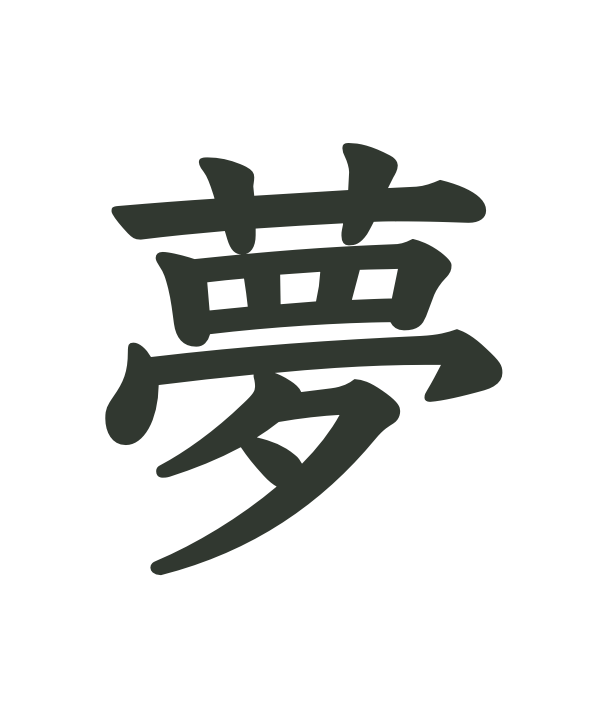
Dream
yume / ゆめ
Read dictionary entry →A dream; also used for a hope or aspiration. Its association with Shin’s goal is our interpretation.
Meaning reference: 夢 ↗A CHARACTER STUDY · EIGHT LIVES, MANY MEANINGS
Names, Ambitions & the Warrior Spirit
Explore the written names of eight characters, then find the ideas their journeys bring to mind. A name identifies a person. A spirit kanji invites a personal connection.
Two different ways to read. Name Kanji explains selected dictionary senses of the written characters, without claiming to translate a person’s name. Spirit Kanji is our editorial selection of themes associated with the story, not the author’s naming explanation.
Kingdom is set in ancient China. The name readings and word readings shown here are Japanese; romanized spellings vary between editions. The character stories below discuss broad themes and may reveal aspects of their journeys.
Shin begins with little social standing but a dream that reaches far beyond it: to become a great general under the heavens. His journey connects personal ambition with the people who choose to follow him. Courage matters when the next challenge seems larger than his experience, while trust gives that courage a human purpose. In this feature, we read his determination through three ideas: the dream that sets his direction, the bravery to keep moving, and the aspiration he refuses to abandon. These are themes we associate with his story, not a hidden translation of his name.
Official character reference: Shin ↗STORY ASSOCIATIONS · DICTIONARY MEANINGS EXPLAINED BELOW
yume / ゆめ
Read dictionary entry →A dream; also used for a hope or aspiration. Its association with Shin’s goal is our interpretation.
Meaning reference: 夢 ↗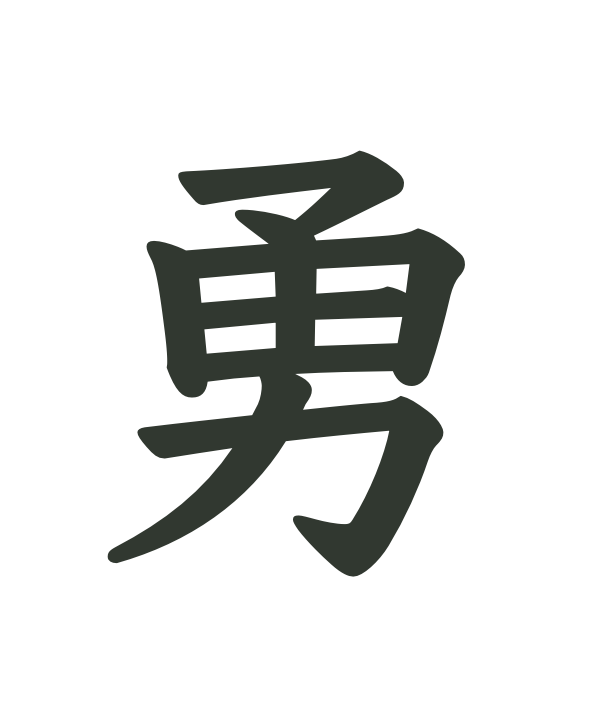
yū / ゆう
Read dictionary entry →Bravery or boldness. This is a character gloss; the everyday word for courage is 勇気 (yūki).
Meaning reference: 勇 ↗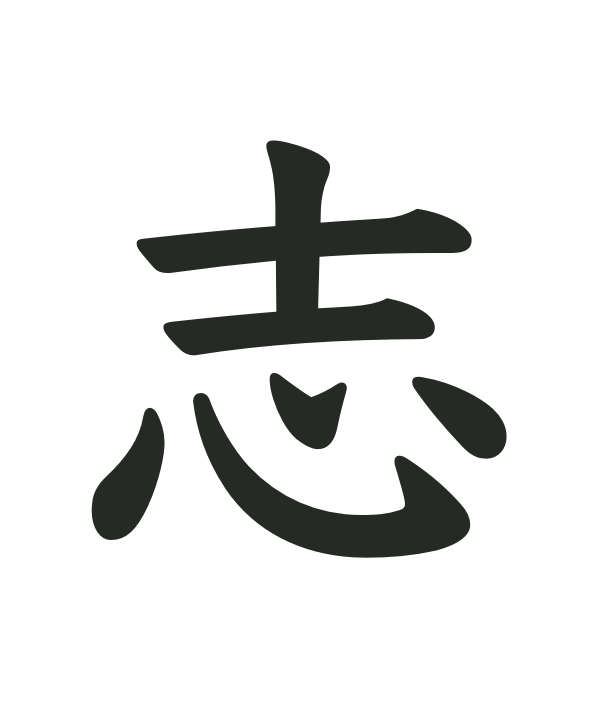
kokorozashi / こころざし
Read dictionary entry →An aim or intention that you set your heart on.
Meaning reference: 志 ↗Choose 信 if trust or faith is your intended idea, or explore 夢, 勇, and 志 for a more personal connection to Shin’s journey. They are separate concepts, not an automatic Japanese sentence. A dream-inspired tattoo can honor perseverance without implying a wish to take part in warfare.
Ei Sei is the young king of Qin whose ambition is to unify the divided lands of China. His goal gives Kingdom a political horizon beyond individual battles: a ruler must turn a distant vision into decisions that affect other people. For this feature, kingship suggests responsibility as well as authority. Aspiration captures the direction of his will, while unification names the objective he pursues. These themes invite reflection on leadership and the difficult relationship between ideals and their consequences. They do not make conquest a simple moral good, nor do they explain the author’s intention in naming him.
Official character reference: Ei Sei ↗STORY ASSOCIATIONS · DICTIONARY MEANINGS EXPLAINED BELOW
ō / おう
A sovereign or ruler. In a personal name it can be a family name rather than a royal title.
Meaning reference: 王 ↗kokorozashi / こころざし
Read dictionary entry →An aim or intention that you set your heart on.
Meaning reference: 志 ↗tōitsu / とういつ
Bringing multiple things together into one whole.
Meaning reference: 統一 ↗王 can evoke leadership, but its core meaning is king or ruler, not simply confidence. 志 is closer to a personal aspiration, while 統一 means bringing things into one whole. Choose the idea you actually want to carry; Ei Sei’s ambitions are a story association, not a universal endorsement of conquest.
Ou Ki represents a scale of leadership that Shin hopes to understand, not merely a level of physical strength. As one of Qin’s great generals, his presence connects military achievement with the influence a leader leaves on those who come after him. Our selection emphasizes command, pride in one’s role, and the passing on of purpose. Pride here is an editorial reading of bearing and responsibility, rather than a claim that arrogance is admirable. Legacy points toward continuity between generations. The words offer ways to think about his impact without treating his name as a literal description of his character.
Official character reference: Ou Ki ↗STORY ASSOCIATIONS · DICTIONARY MEANINGS EXPLAINED BELOW
shō / しょう
To lead, or a person who commands an army; a selected sense of this character.
Meaning reference: 将 ↗hokori / ほこり
A feeling of pride or taking pride in something. Keep the kana り in this word.
Meaning reference: 誇り ↗keishō / けいしょう
Succession or inheriting a position, rights, duties, or tradition. “Legacy” is the story theme; inheritance is the word’s core sense.
Meaning reference: 継承 ↗将 has a military sense, so it carries a different tone from a general idea of leadership. 誇り expresses pride, including the kana ending; 継承 emphasizes inheritance or succession. “Legacy” is our thematic gloss for Ou Ki. Keep the full spelling and choose a connection that fits your own values.
Kyou Kai’s place in the Hi Shin Unit brings exceptional fighting ability into a story about connection and choosing a future. Her past matters, but it does not have to be the only way to describe her. We associate her journey with bonds that give her a place among others, resolve to face difficult choices, and strength that can include more than combat skill. These themes focus on the person making those choices, rather than reducing her to a weapon. Her name remains a proper name; the three spirit words are our interpretation of her life in the story.
Official character reference: Kyou Kai ↗STORY ASSOCIATIONS · DICTIONARY MEANINGS EXPLAINED BELOW
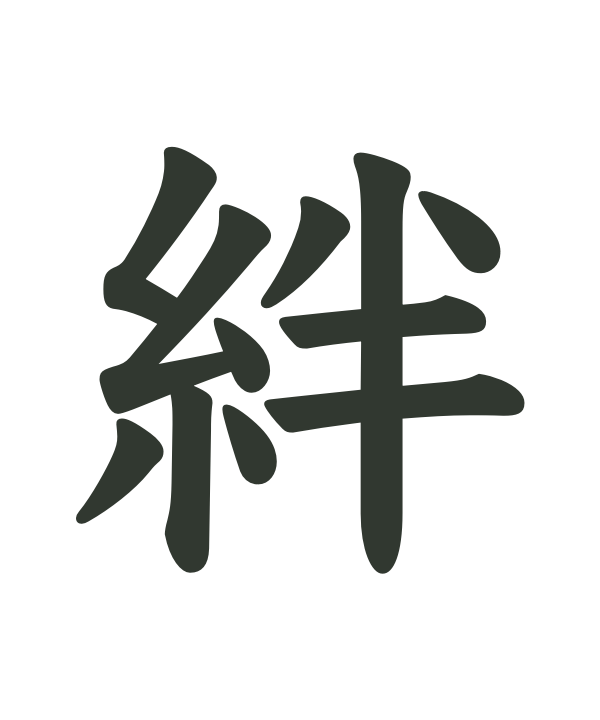
kizuna / きずな
Read dictionary entry →A bond connecting people; the word also has a literal sense of a tether.
Meaning reference: 絆 ↗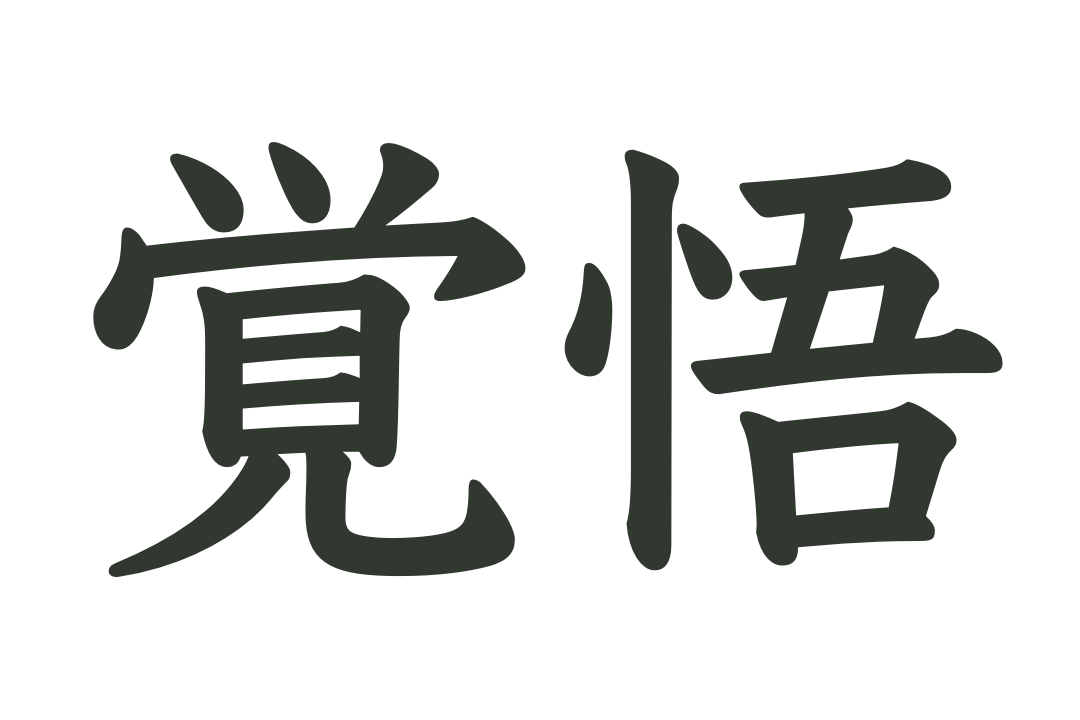
kakugo / かくご
Read dictionary entry →Mental readiness to face difficulty. This is a selected everyday meaning; the word also has Buddhist senses.
Meaning reference: 覚悟 ↗tsuyosa / つよさ
The quality or degree of being strong. This noun includes the kana さ.
Meaning reference: 強さ ↗絆 can speak to connection, while 覚悟 suggests readiness to face what lies ahead. 強さ is a noun meaning strength and includes the kana さ; removing it changes the written form. A personal design can emphasize belonging or resilience without reproducing Kyou Kai’s name or reducing strength to violence.
Mou Bu is a Qin commander whose formidable martial power and confidence make strength central to his presence in Kingdom. The pursuit of being the strongest gives his ambition a direct, forceful character. In this feature, 武 introduces the martial world he inhabits, 力 expresses power, and 最強 captures a superlative claim rather than strength in a broad sense. We use these words to explore the difference between ability, self-belief, and comparison with others. His story can prompt questions about what strength is for; physical dominance alone does not settle the responsibilities of a leader.
Official character reference: Mou Bu ↗STORY ASSOCIATIONS · DICTIONARY MEANINGS EXPLAINED BELOW
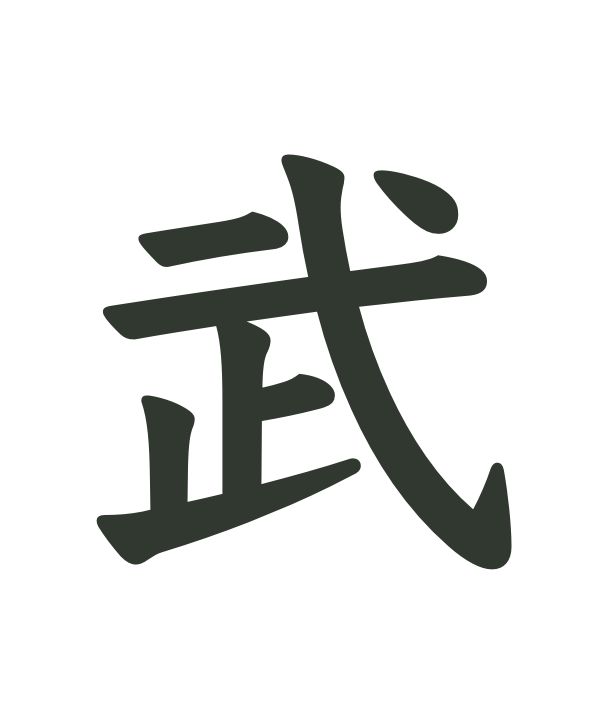
bu / ぶ
Read dictionary entry →Martial or military matters, bravery, and related senses. “Martial spirit” is our thematic framing, not its only dictionary meaning.
Meaning reference: 武 ↗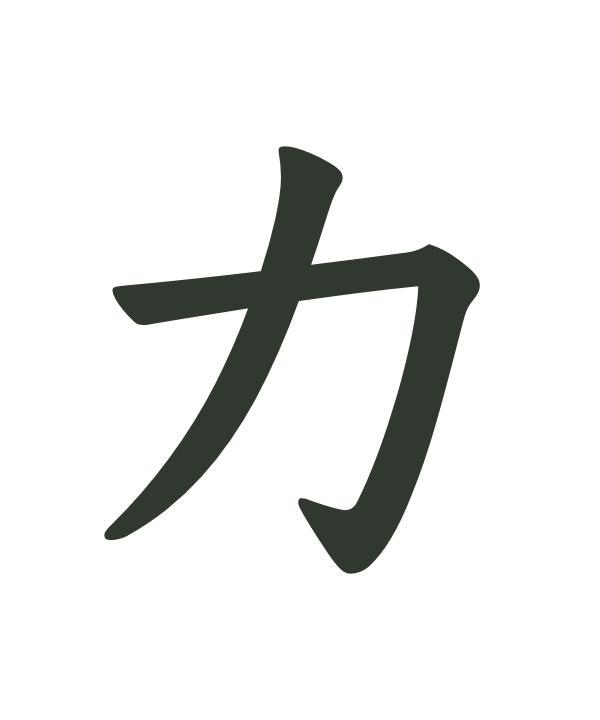
chikara / ちから
Read dictionary entry →Strength, force, or ability; physical power is one context.
Meaning reference: 力 ↗saikyō / さいきょう
Being the strongest; a superlative rather than simply “strong.”
Meaning reference: 最強 ↗武 carries martial and military associations, while 力 can express strength or ability in a wider context. 最強 means the strongest, so it sounds more assertive and comparative than “strong.” Consider whether you want that claim, a connection to martial practice, or a quieter reminder of personal capacity.
Ou Sen offers a contrast to leadership built around visible passion or overwhelming force. As a commander associated with strategy, he invites attention to judgment, preparation, and the conditions that make a result possible. Our spirit selection reads 智 as wisdom, 策 as strategy, and 勝 as the idea of winning. These words frame an editorial portrait of deliberate thinking, not a promise that every plan succeeds or an explanation of his motives. For a reader, the useful question may be how to prepare carefully and assess a situation before acting, rather than how to imitate a battlefield commander.
Official character reference: Ou Sen ↗STORY ASSOCIATIONS · DICTIONARY MEANINGS EXPLAINED BELOW
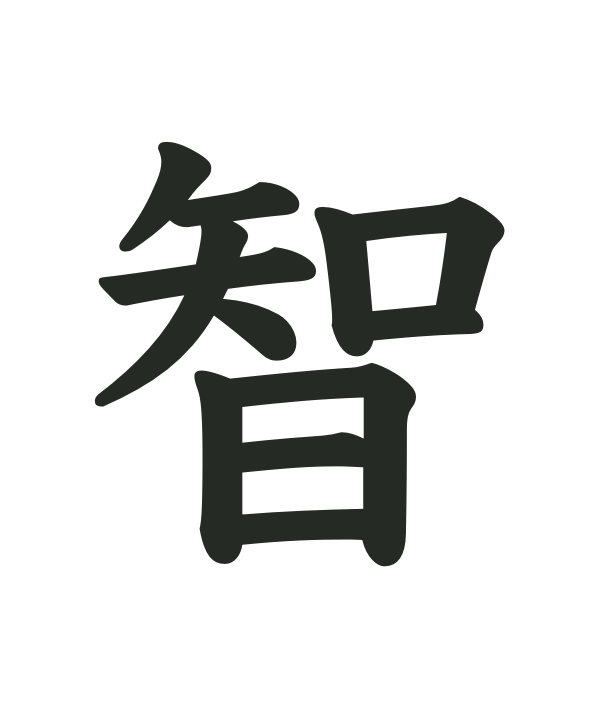
chi / ち
Read dictionary entry →Wisdom, intelligence, or being perceptive. 智 and 知 are distinct written characters.
Meaning reference: 智 ↗
saku / さく
Read dictionary entry →A plan, measure, or strategy; the association with a particular commander is editorial.
Meaning reference: 策 ↗shō / しょう
Winning or prevailing; “Victory” is a character gloss. 勝利 (shōri) is a full word for victory.
Meaning reference: 勝 ↗智 highlights wisdom, while 策 points toward planning or strategy. 勝 evokes winning, but its character gloss is not a complete phrase about success. A design inspired by Ou Sen can focus on thoughtful preparation. Avoid assuming that the meanings of 王 and 翦 together describe the character’s ambitions.
Kan Ki challenges conventional expectations through unconventional tactics and a background outside respectable military society. His ingenuity cannot be separated from the cruelty associated with his conduct. In this feature, defiance, freedom, and strategy describe lenses through which to examine him; they are not praise for atrocities. Resistance to authority does not automatically make an action ethical, and tactical success does not erase harm. His place in Kingdom exposes the moral complexity and brutality of war. Readers can consider independence or original thinking while refusing to turn violence against others into an admirable personal ideal.
Official character reference: Kan Ki ↗STORY ASSOCIATIONS · DICTIONARY MEANINGS EXPLAINED BELOW
hankotsu / はんこつ
A spirit of resistance to authority or prevailing convention; also written 叛骨.
Meaning reference: 反骨 ↗
jiyū / じゆう
Read dictionary entry →Freedom from interference or restraint; acting as one wishes.
Meaning reference: 自由 ↗saku / さく
Read dictionary entry →A plan, measure, or strategy; the association with a particular commander is editorial.
Meaning reference: 策 ↗反骨 suggests resistance to authority, 自由 means freedom, and 策 concerns strategy. These ideas can stand apart from Kan Ki’s actions. If you choose one, make your own ethical intention clear: independence is not permission to harm others, and admiration for a fictional tactic need not become approval of cruelty.
Ri Boku stands against Qin’s advance as a leading strategist of Zhao. From that position, the same conflict that fuels another character’s ambition becomes a question of defending a country. His intelligence and attention to the wider situation make wisdom a useful theme, while protection and loyalty bring responsibility into the discussion. Our selection looks at the relationship between careful thought and service to something beyond oneself. These are editorial associations with the character, not meanings hidden inside 李牧. His role also reminds readers that Kingdom’s opposing sides can understand duty through very different loyalties.
Official character reference: Ri Boku ↗STORY ASSOCIATIONS · DICTIONARY MEANINGS EXPLAINED BELOW
chi / ち
Read dictionary entry →Wisdom, intelligence, or being perceptive. 智 and 知 are distinct written characters.
Meaning reference: 智 ↗
shu / しゅ
Read dictionary entry →To guard, protect, or keep. “Protection” is a character gloss, not a complete sentence.
Meaning reference: 守 ↗
chū / ちゅう
Read dictionary entry →Sincerity and wholehearted service to a ruler or country; a selected sense of this character.
Meaning reference: 忠 ↗智 can evoke wisdom, 守 the idea of guarding or protecting, and 忠 wholehearted loyalty. The last two are character glosses, not full sentences. Think about whom or what your commitment serves. Ri Boku’s national duty is a story context; your own interpretation need not be military or nationalistic.
The readings are selected examples, not every possible reading of each character. English headings are brief glosses; “Legacy” and “Martial Spirit” are thematic labels with more precise dictionary senses explained on their cards. Keep kana endings in words such as 誇り and 強さ. Separate cards do not automatically form a Japanese phrase.
Before choosing permanent lettering, have a fluent Japanese reader review your intended meaning and final artwork with your tattoo artist.